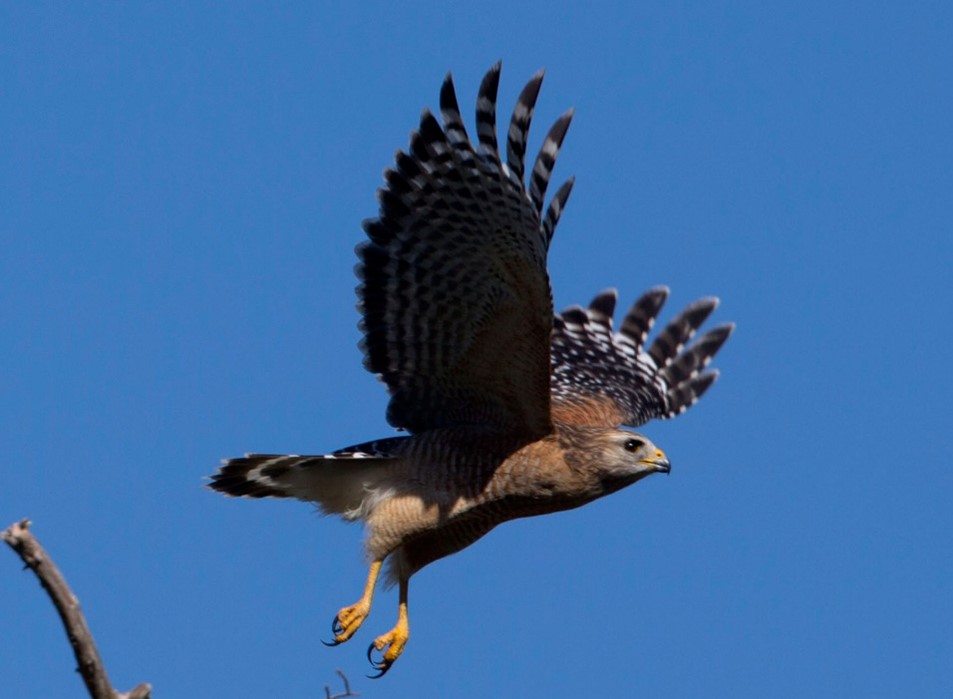
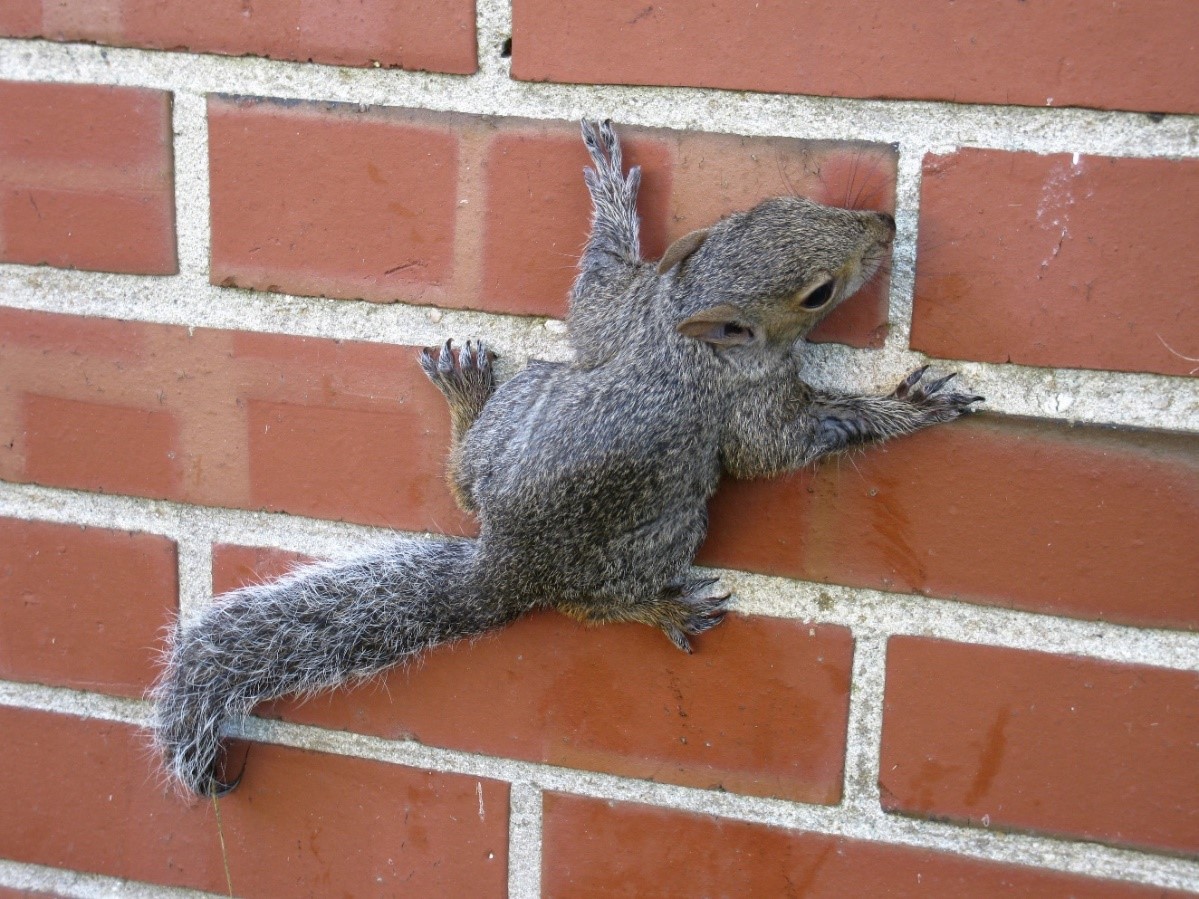
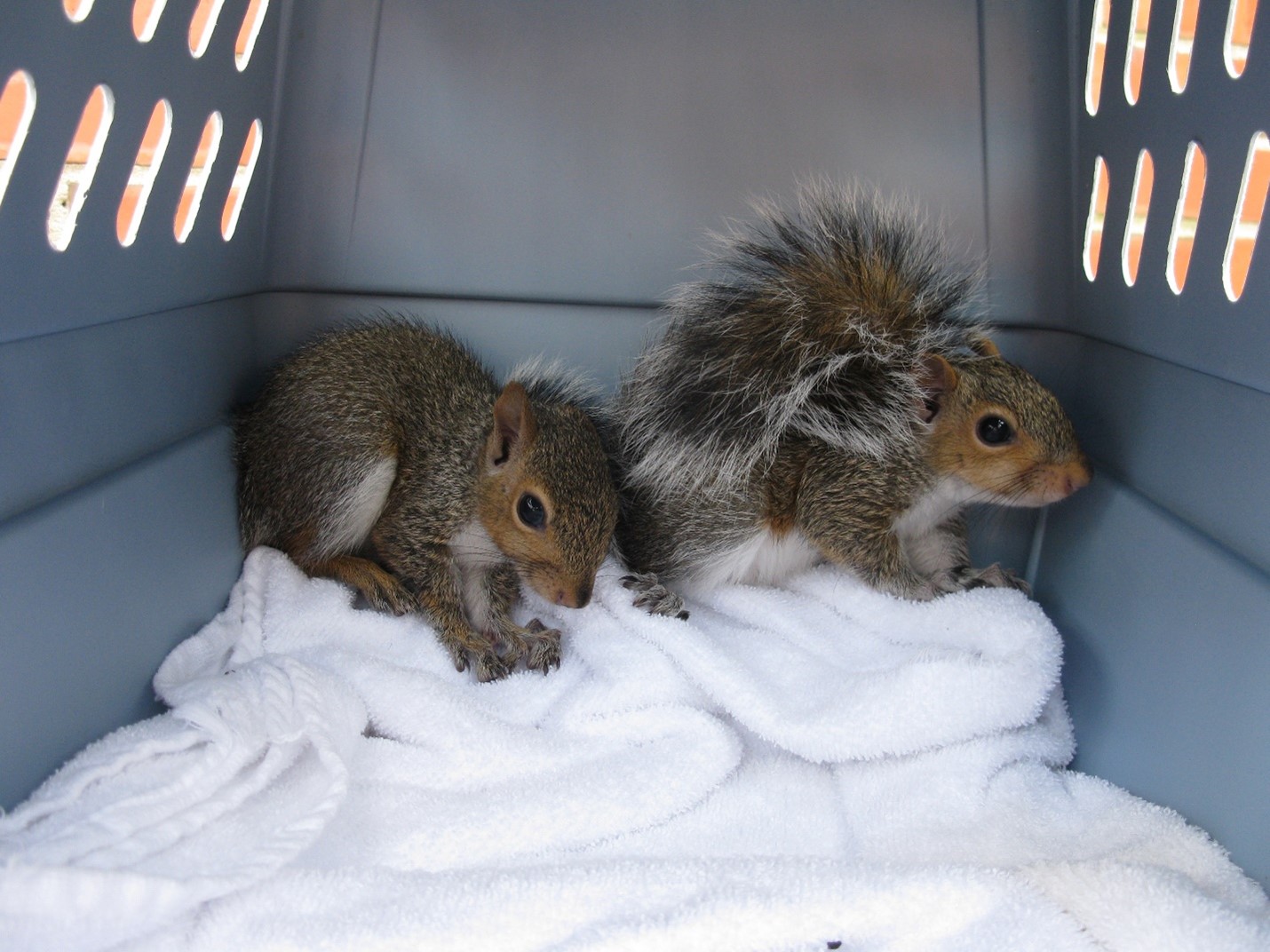
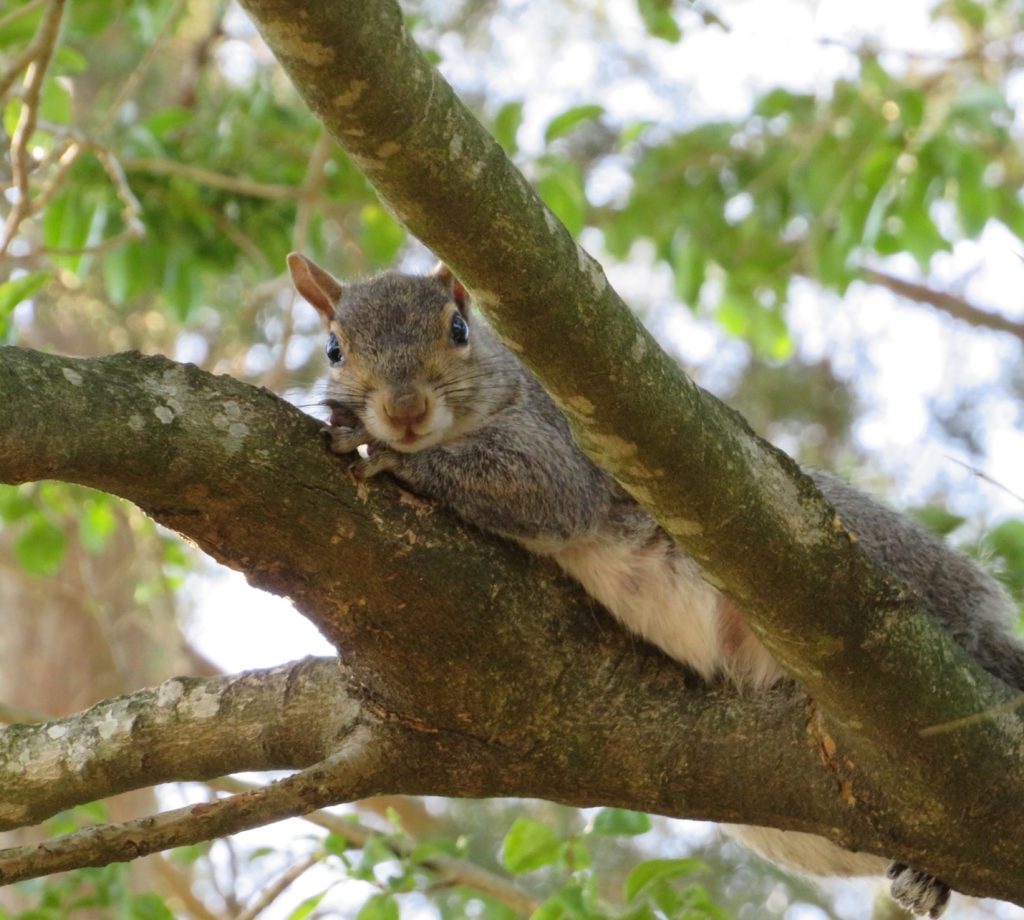
My idea for a book may come from observing the world around me, drawing on my own experiences, or as was the case with the first Lucky and Bud story, a combination of the two. The Adventures of Lucky and Bud: The Rescue is based on a true story and describes the rescue of a baby squirrel named Lucky, literally from the clutches of a hawk, and his subsequent rehabilitation, introducing readers to the superb work done by the SPCA and wildlife rehabilitators. I thought this story was very special and wanted to share it with others.
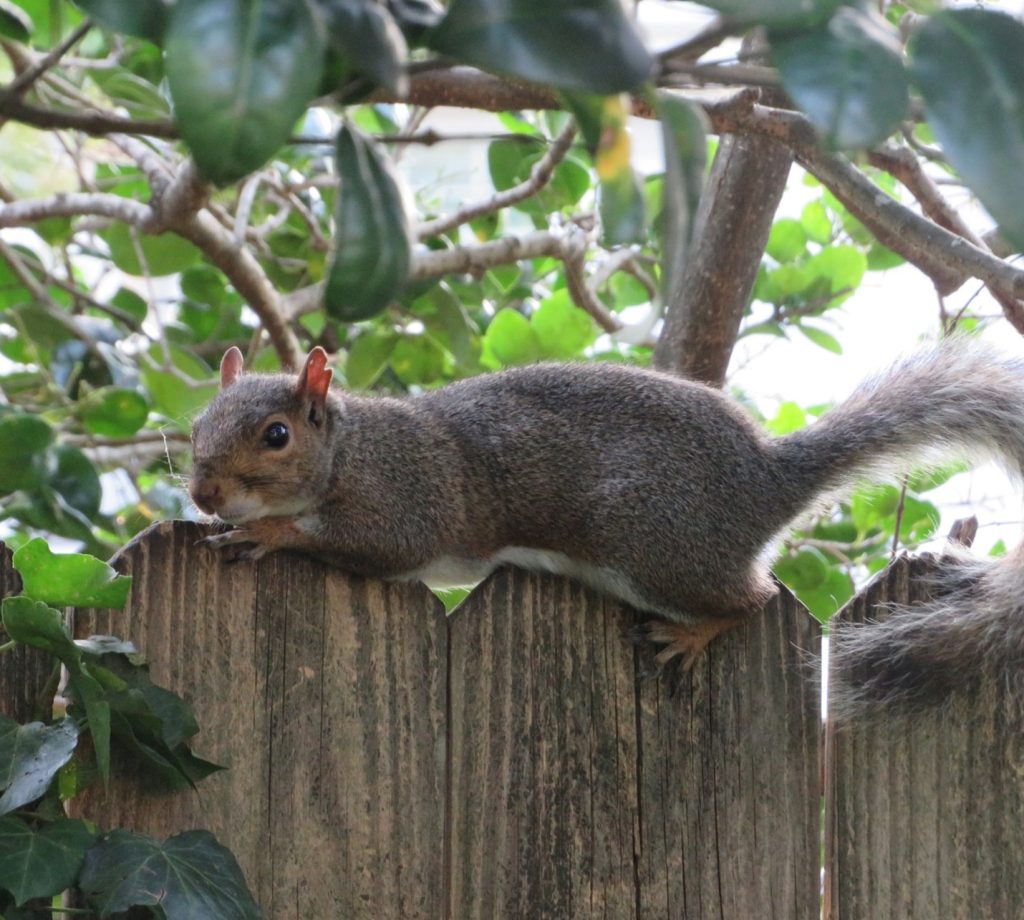
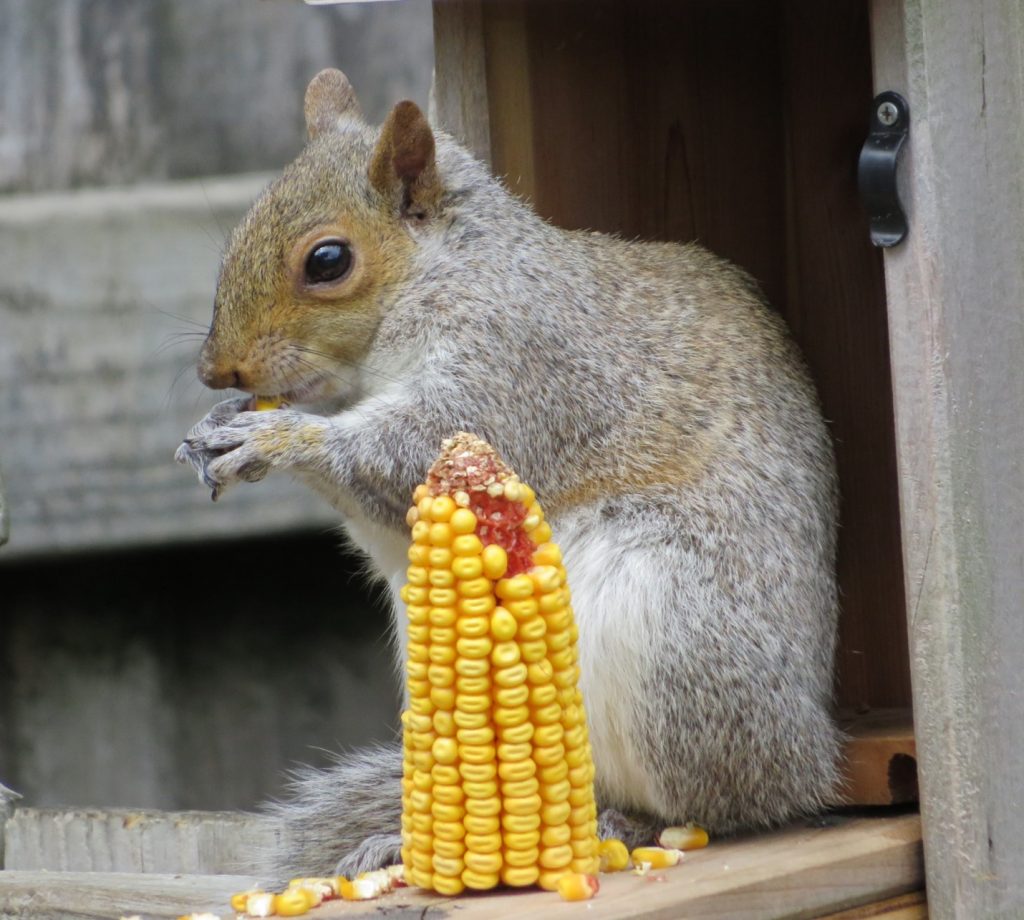
As for writing style, I decided to write the book in the third person, mostly from Lucky’s point of view. This allowed me to focus on the main character’s thoughts and feelings to show how the experience affected him. I then began studying squirrels because it is essential that writers know their subject, either through personal experience or research. Research may include reading and watching videos about the subject, conducting personal interviews with experts or witnesses to the actual or similar events, or even visiting a place and observing actual behaviors like I did when writing Lucky and Bud. Fortunately, the squirrels in my backyard were very willing subjects. Throughout, the writer must record all findings via notes or electronically. It is worth pointing out that research is not confined to the inspiration phase. It continues throughout the writing of the story.
In telling the story, I chose to assume the role of an objective narrator who describes what he sees but who does not pass judgment on the characters, although he may share what the characters are thinking. I let them carry the story through their actions and dialogue. Character development must be carefully considered. Many authors find it helpful to create short biographies for each character apart from the story. The more important the character, the longer the biography. These summaries can then be used as references when writing because they help to establish a pattern of behavior for each character, which is very important if the story is to be believable and convincing. Plausibility applies to the plot, as well. Even fantasies and science fiction must be credible within the world the author has created.
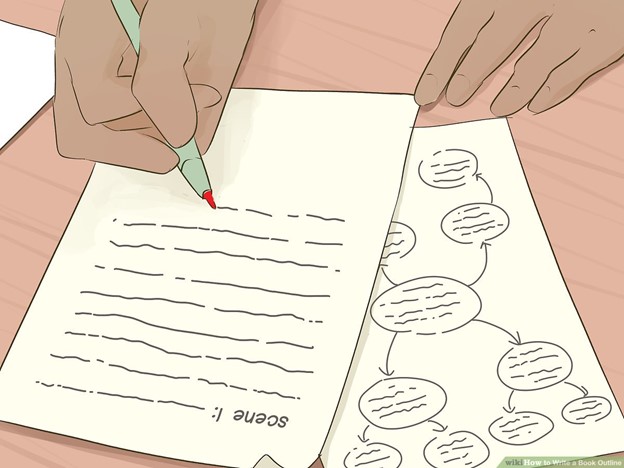
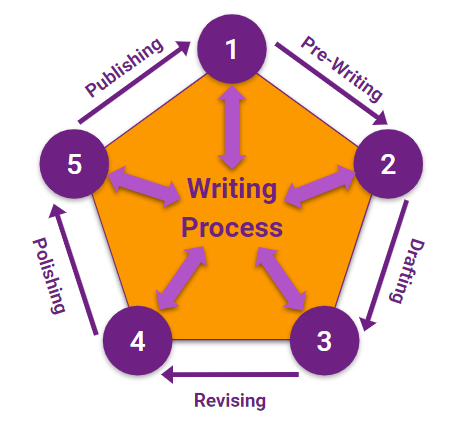
It should be emphasized that writing is a dynamic process. I made numerous changes as I refined the story and developed the characters. These changes may come about as a result of research, experience, or critiques of others, which should be welcomed, provided they come from a reliable source. I always tried to work on the book a little bit each day or at least three to four days a week, writing, revising, proofreading, researching, creating a storyboard, or planning the artwork. I did not want to let it sit too long for fear of losing interest or straying from the storyline. I also found that frequently revisiting the work helped to prevent any prolonged writer’s block.
As the story reached its climax, I decided if I wanted to resolve any loose ends at the conclusion or leave some hanging to tease the next book. Because I intended this to be a series, I chose the latter. At this point, I did a continuity check by reading the whole story again to make sure that everything made sense and made a few necessary revisions.
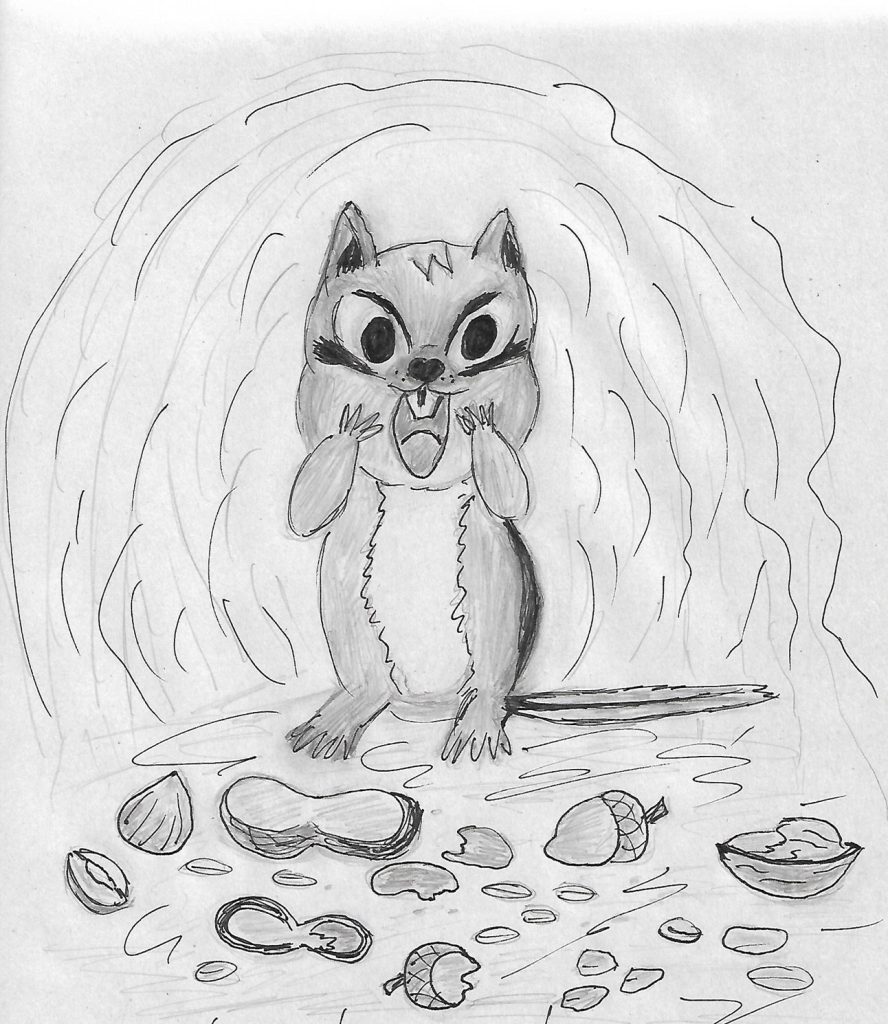
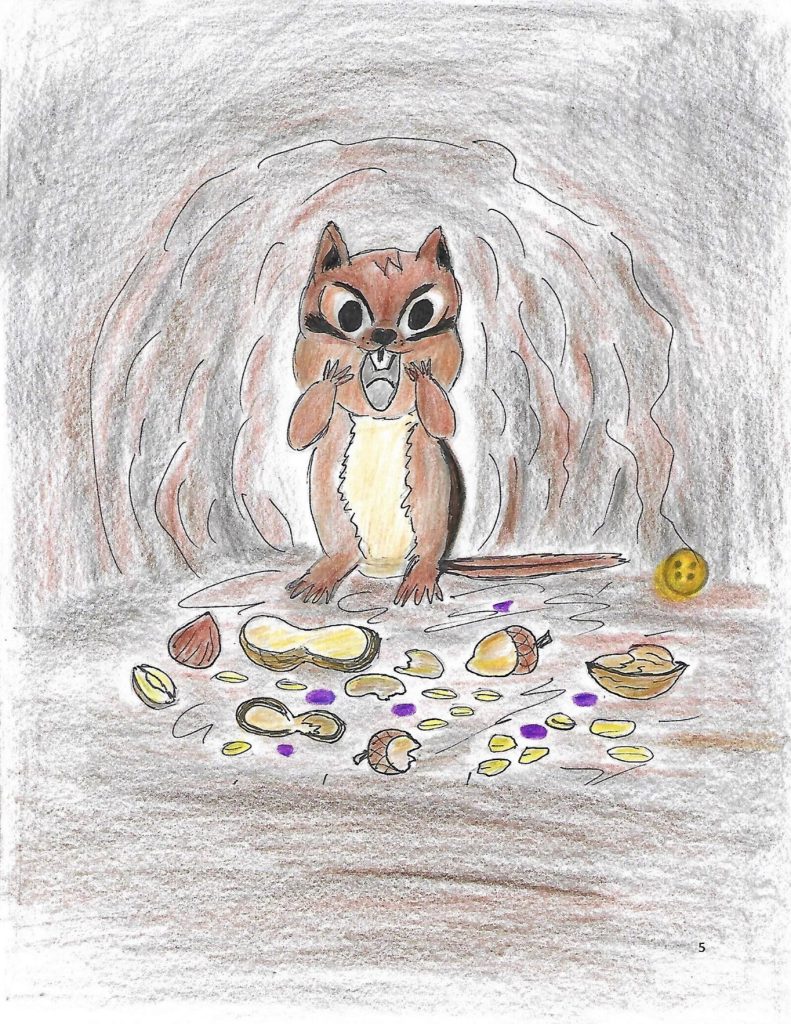
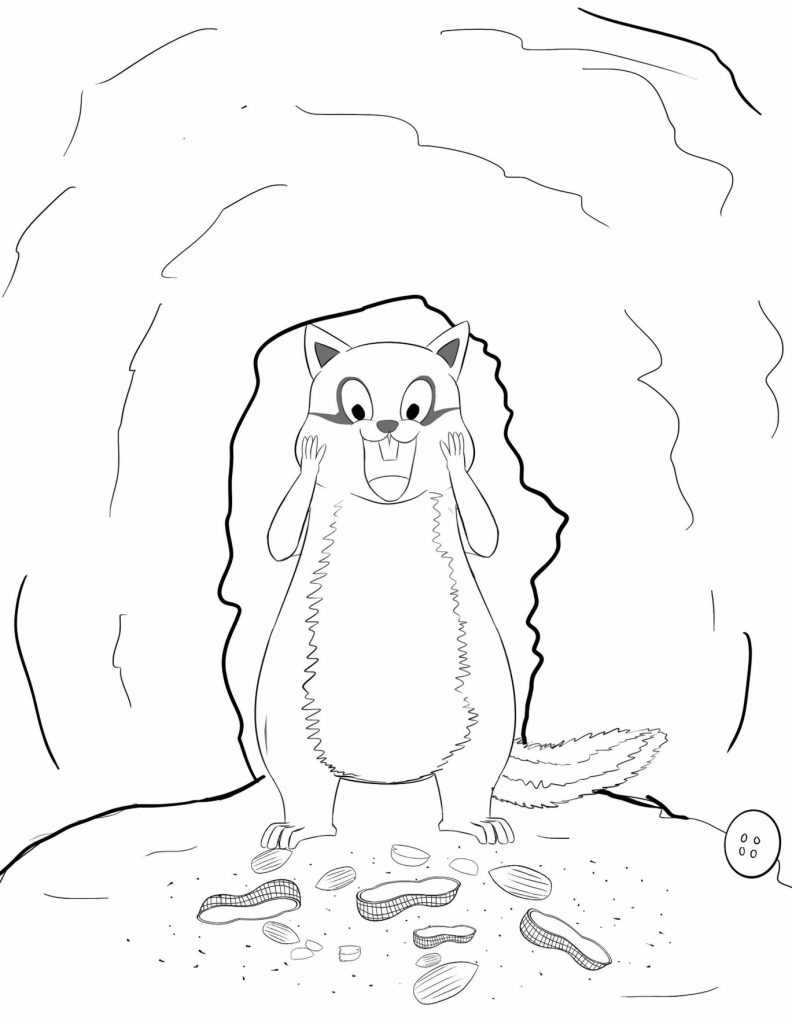
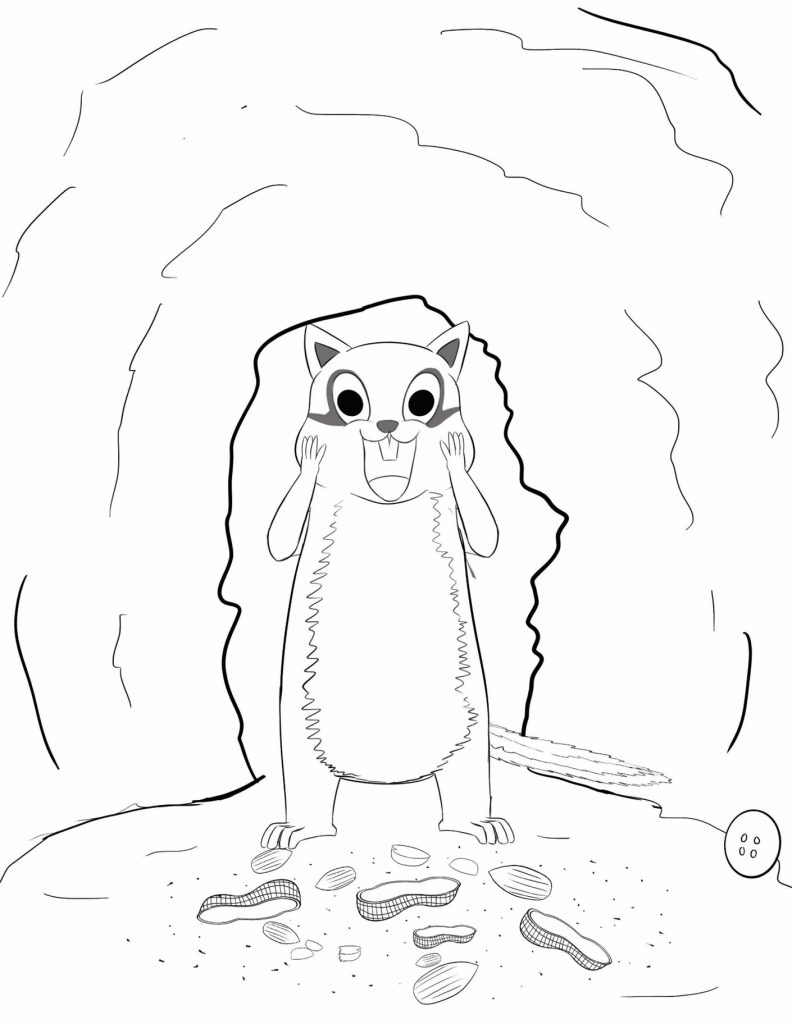
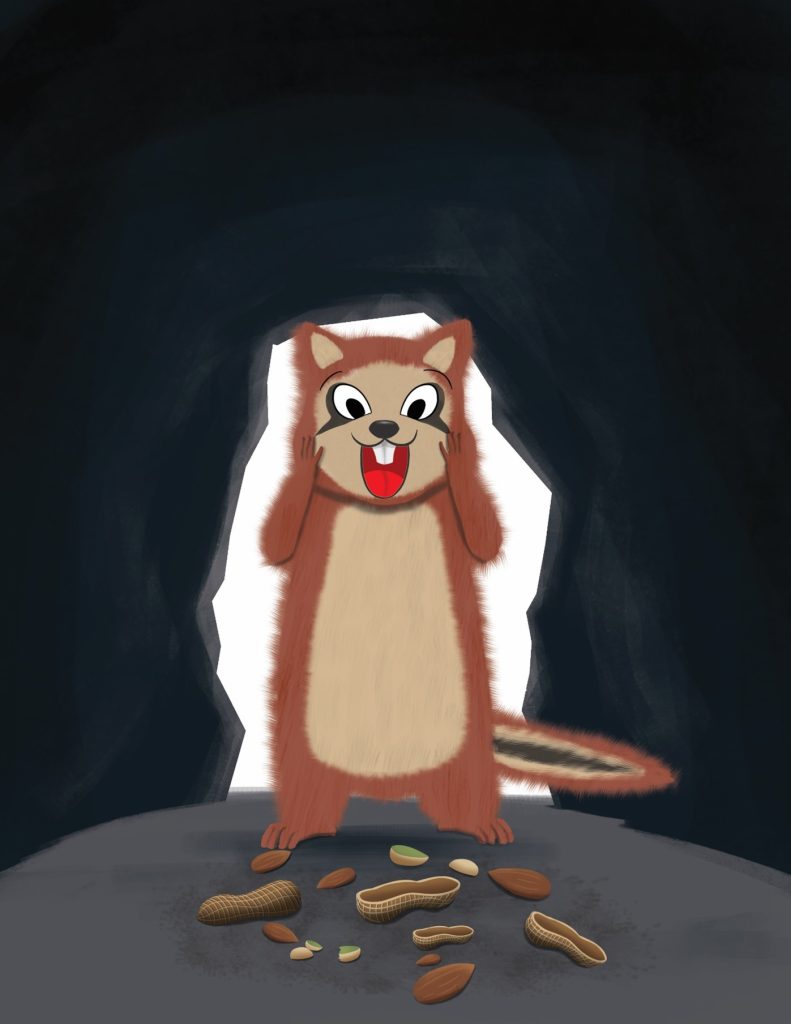
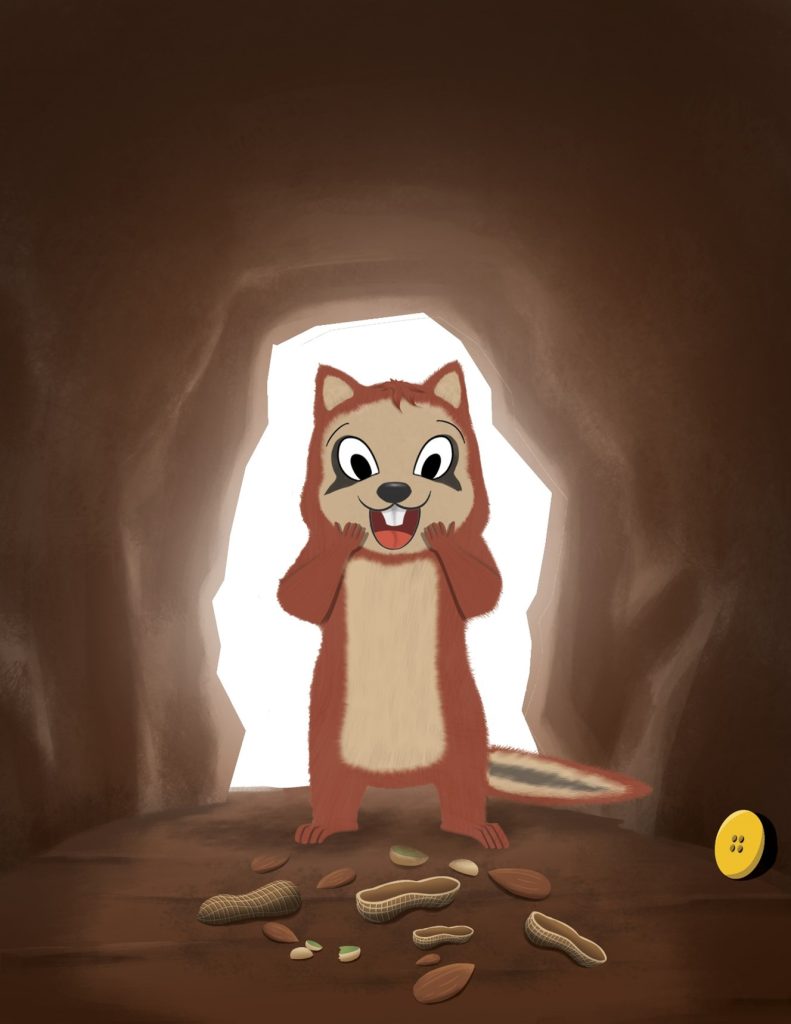
Finally, I worked with the artist (my wife Diana) to create examples of the artwork that would accompany the narrative. These were then refined by the publisher’s illustrator through an iterative and collaborative process. Honestly, I did not have an appreciation for the time this process would take or the amount of correspondence that would be required between the illustrator and me to get the pictures just right. My first book took a full year. I have provided an example of the many steps often required to create a single illustration.
I read the whole story one more time, making a few more revisions. Once I was satisfied with the work, I chose a publisher.
There are essentially three publishing options available:
Traditional. The publisher pays the author for writing the book and takes responsibility for printing and distributing it, bearing the risk of its success in exchange for returns from its sales. The author may or may not retain rights to the book. Traditional publishers are very selective and may take months to years to decide if they will accept a work for publication. Usually, they will only accept authors who are represented by an agent.
Self-publishing. The author publishes a book independently without giving away the rights to the book. Platforms, such as Amazon’s Kindle Direct Publishing make it possible for authors to publish a book relatively easily; however, authors do all or most of the work on their own. This may be daunting for someone who is just starting out.
Hybrid. Hybrid publishing is a combination of traditional and self-publishing in which the publisher charges the author for publishing the book and also takes a pre-determined percentage of future sales in exchange for distributing it.
In addition to choosing the type of publishing house, the author must look at the specialties of each. In my case, I sent my manuscript to five reputable publishers who specialized in books for children and young adults. It is important to research each one thoroughly. There are a lot of scam artists out there who are willing to take money upfront only to disappear shortly thereafter. I selected the hybrid approach with Austin Macauley as my publisher. I did consider self-publishing, which many novice writers choose, but I decided this complex process was best left to professionals. For starters, an illustrated book requires the skills of an accomplished illustrator to bring the story to life. Among other advantages of using a publisher is the experience of the staff in physically creating the book in a variety of formats and getting it to market. Cost is a factor. About that, there is no doubt. However, unless the new writer has written a bestseller on the first try, or he or she is famous (infamous works, too!), the likelihood that a traditional publisher will pay a new author to publish the book is slim to none.
Once I chose the publisher, I made sure to read the contract proposal very carefully. Who owns the rights to the book (story and illustrations)? How many changes can the author make before the book goes to print? What will be the price of the book in all formats? What is the total cost to the author? These are just some of the questions that need to be answered before signing a contract. When I was satisfied with the answers, I had the contract reviewed for legal sufficiency before signing it.
Now, the real work began. I spent many hours working with an assigned production coordinator to bring the book into being. This person proved invaluable in assisting me negotiate a process that can take anywhere from many months to a year before the book is released for sale.
Write about something you love or in which you have a great interest. Learn all you can about your subject. Write well. Pay attention to grammar, spelling, punctuation, etc. You may use a grammar tool, such as Grammarly or Grammar Coach to check your work. Don’t rely on the publisher to fix all the mistakes. They won’t! Write and revise … revise … revise … until you are completely satisfied with your work. And your story must be plausible. As I mentioned before, even fantasies and science fiction must be believable within the framework that the author has created.
Once you are satisfied with what you have written, consider the layout, including all the illustrations. For those writing books for young readers, storyboarding is useful in matching the narrative with the pictures. Spend time designing the covers of the book. Perhaps you cannot always tell a book by its cover, but most of the time you can! Remember, this is what your audience will see first, and it WILL make an impression … good or bad. The front cover should be an attention-grabber that jumps out at the reader and generates immediate excitement and a desire to buy the book. The back cover can be used to showcase the author or tease the contents.
And don’t forget advertising. Use whatever means you prefer to promote your book but get the word out. Don’t rely on anyone else to sell your book. If you thought writing it was hard, selling it can be even harder. Social media is a great tool to this end but beware of unscrupulous salespersons who offer all kinds of deals to help you sell your book. Rely on your publisher for marketing advice. And don’t be too cheap to give some away, especially to those who are in unique positions to promote your work. In my case, elementary school teachers and librarians have proven most supportive in this regard. Word of mouth and referrals are invaluable, and don’t be shy about soliciting positive reviews when someone you know bought your book on Amazon or Barnes and Noble. They matter.
Most importantly, have fun! The work is challenging, but don’t get discouraged. You don’t have to be perfect … you just have to start. Stick with it, and you will succeed in the end.